How To Create A Brand That Resonates With The Worcester Community In 5 Steps
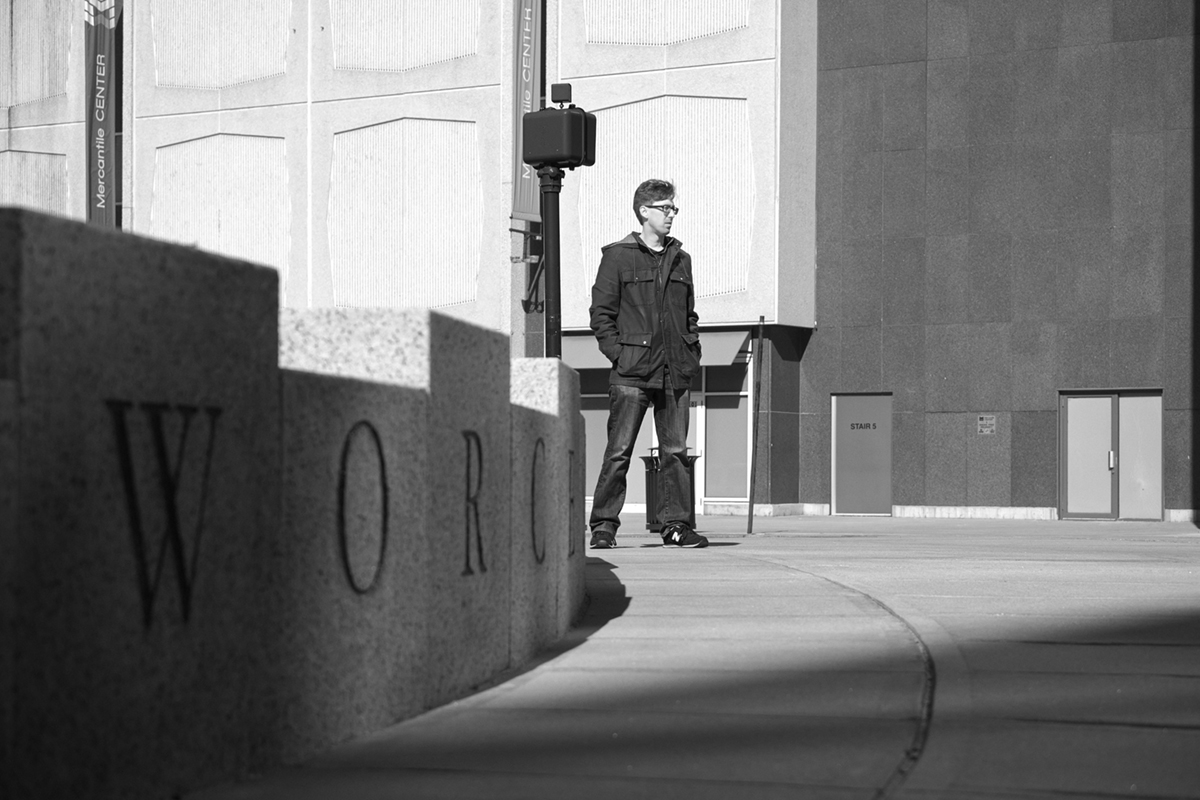
A lot has changed in Worcester over the past few years.
Businesses have come and gone.
The Canal District is unrecognizable compared to a decade ago.
And Downtown has fully emerged from the shadow of the Galleria.
But another change has quite literally changed the look of the city.
A wave of forward-thinking local businesses and organizations refreshed their brand identities in recent years and rejuvenated their business in the process.
As a brand identity designer, I’ve studied these brand refreshes, spoken with the people behind them, and even helped create some of them, including one business that saw a 20% increase in sales within 6 months after launching their new brand and website.
If you feel your current brand is holding you back, here’s a 5-step approach to help you revitalize your business with a new look.
And if you’re looking for some advice about your specific situation, send me a message for some free feedback.
STEP 1: Decide If The Time Is Right For A Rebrand
Every successful rebrand starts with a clear reason to change.
Here are the three most common:
1.Your sales are down or you’re not attracting the right audience.
Your brand isn’t a vanity project – it’s a revenue driver.
A proper update to your brand visuals will get your business noticed again.
With multiple locations throughout Central Massachusetts, Greendale Physical Therapy wanted a cohesive look to promote their services more consistently throughout the region.
They hired me to rework their brand elements throughout their marketing material for consistency across their different locations. This helped increase visibility and recognition among potential local patients and practitioners, improving referral and recruitment rates.
Similarly, the Worcester Art Museum was aware of the need to update its look too with its own in-house brand refresh in 2023.
“We were actively working to expand our audiences as a museum,” says Madeline Feller, WAM’s director of communications and marketing. “We recognized our identity could do more to signal curiosity, connection, and openness.”
They started rethinking the museum’s experience through a rebuild of their digital presence while preparing for new renovation projects such as their Arms and Armor Galleries, a reimagined Early American Art galleries, and other critical campus transformation projects.
2. You need to reposition your business in the market.
Entering a new market for your product/service, expanding to a new location, or opening a new branch is often helped by a brand refresh.
For example, the Worcester Public Library’s 2024 rebrand was sparked by a series of changes within the organization.
“In recent years we’ve completed a major renovation, welcomed a new executive director, and reimagined our services in response to community needs,” says Linnea Sheldon, community relations & communications manager for the WPL.
The rebrand signaled WPL’s evolution to the community – and it worked.
“Since the rebrand, we’ve seen a noticeable increase in community engagement and enthusiasm for our visual identity,” says Sheldon. “The Friends of WPL have had great success selling merchandise featuring the new branding, and we now see community members proudly wearing our logo on t-shirts, tote bags, and other items.”
3. You’ve had a change in leadership.
New energy in a company often prompts a new look at your brand.
For example, when I was hired as an in-house designer at Masterman’s Safety Supplies, one of the first projects I was assigned by their new marketing director at the time was to rework their branding. As new hires, we brought a fresh perspective and new energy to their marketing material to help boost their sales. This has been a recurring theme throughout my design career.
STEP 2: Choose the Right Designer
If you’re looking to make an impact with your branding and don’t have someone in-house capable of leading a brand identity project, you’ll need to outsource.
Don’t worry—it’s not as scary as it sounds, and you won’t give up control of your brand.
Outsourcing has its own unique advantages.
Bringing in an expert who specializes in this particular area of design to collaborate with you and your team will help you see your brand in a way you haven’t considered—outside experts bring fresh eyes that help break patterns and create something extraordinary.
This was the case for the Worcester Public Library, which decided to bring in an outside professional designer for their 2024 brand redesign after initially exploring ideas in-house.
It was the best way to achieve the “high-quality, cohesive brand identity we were envisioning,” says Sheldon, who was part of the WPL internal team that selected local design company Hunchback Graphics.
And the Museum of Worcester (formerly the Worcester Historical Museum) realized the advantage of outsourcing its identity update when they hired Alex Aghjayan, designer and founder of Colosseo Creative, to lead its rebrand last year.
“They were looking for a website overhaul as well as other aspects to accompany the brand refresh,” says Aghjayan. “They do not have any designers on staff equipped to handle this type of project.”
As an outside perspective, Alex brought a depth of symbolism to the brand that went beyond aesthetics.
And in the case of Greendale Physical Therapy, outsourcing their marketing designs to me as their go-to designer helps their existing brand stay extremely consistent across multiple locations and divisions for greater brand recognition and visibility.
However, if you have your own in-house design team experienced in visual identity and branding, then your choice is an easy one.
An in-house team will know your company’s personality, tastes, and interests inside and out as they live it each day. Plus, they have easy access to each other to work out the details.
That was the situation the Worcester Art Museum found itself in when the organization turned to its Head of Visual Design, Kim Noonan, to lead its brand refresh.
“Kim’s long tenure at the Museum mattered here,” says Feller. “She understands both the institution’s history and its ambitions, which allowed the brand to feel grounded rather than imposed, translating the team’s ideas into a cohesive system.”
When hiring a professional brand designer, you want to make sure they take the time to get to know your business and the people behind it before any designs are created. When interviewing candidates for your rebrand, asking them what their process is will reveal if they meet this criteria or not.
For example, when I meet with clients, I explain my main goal is to learn as much as possible about their business before any ideas are even thought of.
Questions such as why you need a new identity, what your business’s history is, and what your future looks like help achieve more interesting outcomes than jumping right into aesthetics first.
Here are 29 other questions I ask clients to help them discover their brand identity.
The more a designer understands your business, the stronger and more effective your brand identity will be.
If you’re interested in how I can help your business, let’s talk.
STEP 3: Get Buy-In
Getting buy-in from key stakeholders is one of the most important steps of an identity update.
The process can be a very personal and emotional exercise for new and established brands.
“There was definitely some loyalty to the old brand, but the majority were ready for a fresh look and feel,” said Aghjayan on the Museum of Worcester’s rebrand.
A proper brand design process includes research, exploration, feedback, revisions, and implementation. To skip the research phase and jump right into the design process is a costly mistake inexperienced designers make all the time.
Professional brand designers are on the lookout for the best ideas pulled from your input about your business to spark the right visual direction you need for your brand’s success.
This usually comes out of the interview process.
“We held listening sessions across the institution, engaging all departments from Finance to Curatorial, to understand what WAM was,” says Feller on the Worcester Art Museum’s identity update. “People brought many different perspectives, but clear through-lines kept emerging, which was incredibly heartening. That alignment made it easier to move decisively.”
When Worcester-based photographer Yuri Ramirez approached me for a new brand identity, he wasn’t sure what he wanted. The interview process helped us figure it out together.
“After some conversation about my thoughts, along with some smart questions from David to help narrow down ideas, the end result was spot on,” says Yuri.
As a first-time business owner, Christina Price of Meltdown Creationz—a Worcester-based homemade candle company— was understandably nervous about making any type of changes. She didn’t know where to begin and felt overwhelmed by the process. However, after working with me on her identity, she found the process “extremely helpful for getting clear on the whole brand. The final design was better than expected.”
While the research and interview process can take time, it’s a crucial step for a successful result. The more clarity you have on what you want, the more likely you are to get it.
Remember, you’re not just hiring talent. You’re bringing on a partner who should be as invested in your brand as you are. One of the ways I help clients bring their brand to life is by making sure they are as involved in the process as possible. Collaboration is key to achieve the best results towards their goal. After all, it’s not MY brand I’m designing—it’s theirs.
STEP 4: Incorporate Your Community Into Your Rebrand
Beyond your business and employees, there’s an audience who will be exposed to your brand.
You need to feel comfortable with the result, but it’s who you’re creating it for that matters most.
What impression do you want to make on those who come across your new identity for the first, tenth, or thousandth time?
“Worcester is known as the Heart of the Commonwealth, and our logo’s heart motif reinforces the library’s role as the heart of the community,” Sheldon says on the final identity for the Worcester Public Library.
“The standalone heart symbol has also become a powerful visual element; our community now recognizes it instantly, even without the library’s name attached. This cohesive symbolism sets us apart from other libraries by making our brand instantly recognizable, community-specific, and aligned with our purpose.”
Similarly, the Museum of Worcester positioned itself not as a museum of artifacts, but as a place that tells stories and builds communities throughout the city.
Knowing your audience doesn’t stop with the elements that make up your brand. You also need to consider your audience while promoting your brand through advertising, as the Worcester Art Museum did for the launch of its new Arms and Armor Galleries.
“We placed our campaign locally, regionally, and also specifically in Boston, using animated displays in a Boston T station, commuter rail cards, a large-scale banner in downtown Worcester, and an array of regional print placements,” states Feller.
A brand identity that doesn’t consider the customer you have in mind is not doing its job for your business. It will be an uphill battle trying to attract the right audience with visuals they don’t resonate with.
Through the info-gathering sessions mentioned previously, a good professional brand designer will ensure your new identity fully aligns with the audience you want to attract.
My work with Broadway In Worcester is a perfect example.
The audience is made up of Broadway enthusiasts. The inspiration behind the identity is based on the bright lights and colors of Broadway in New York City. The selected brand typeface, Helvetica Neue, comes from the city’s subway signage, and the logo design takes inspiration from theater marquee lights and the bold Playbill brand found on printed Broadway show programs. The identity literally brings elements of Broadway to Worcester in a way that resonates with the community.
Broadway In Worcester’s founder Eric Butler agrees.
“It’s eye-catching and clear that our programs are Broadway In Worcester programs. Our organization’s mission, identity, and goals are reflected in the final identity, and I’ve grown to absolutely love the color!” states Butler.
STEP 5: Measure The Results of Your New Brand Identity
How will you know if your new brand identity is a success?
Look for signs like these:
- Do you notice an uptick in customers?
- Are others talking about your business more often?
- Are more people saying positive things about the look of your branding?
Within 6 months of launching their new brand I designed for them, Meltdown Creationz realized a 20% increase in sales from its website.
The Worcester Art Museum has “been able to more consistently engage audiences beyond our repeat visitors,” according to Feller. “The consistency of our new brand has been the most powerful. We now have a shared visual language that supports everything else we are trying to grow.”
And after its rebrand, the Museum of Worcester noticed positive attention from patrons on its website as well as its exhibit promotions.
A few months after your brand’s launch, check in with your staff or customers to learn how they interact with the business since the update.
You’ll be surprised what you learn.
Want a Free Review Of Your Worcester Brand?
If you’re in the Central Massachusetts/Worcester area and are starting a new business or want help assessing your existing identity, email me at david@davidgorhamdesign.com for some free feedback on your brand.
Improve Your Branding. Improve Your Business.
Get inspiration, insights, and resources to strengthen your branding and marketing.
Delivered to your inbox every week.